russian

About Russian Honeybees

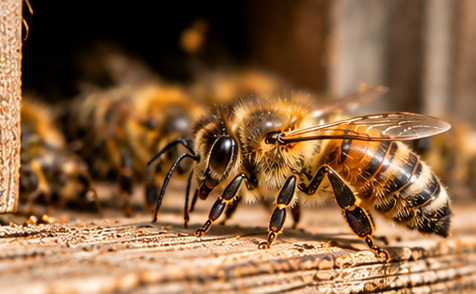
Russian honeybees (Apis mellifera) are a valued strain developed through natural selection for their mite-resistant traits, hardiness, and excellent overwintering ability. They are gentle, productive, and adaptable, making them an ideal choice for both new and experienced beekeepers.

Russian honey bees originated from the Primorsky region of the Russian Far East. They became particularly important to beekeeping because of their long association with Varroa mites and other colony pressures in their native environment. In the United States, Russian honey bees were introduced and evaluated as a potential source of naturally occurring resistance to Varroa and other problems affecting managed honeybee colonies. Unlike a chemical treatment, their resistance comes primarily from inherited behavioral and biological characteristics.

heart

Natural Mite Resistance

Developed through natural selection for Varroa resistance.

shield

Gentle Temperament

Calm and easy to work with, suitable for all beekeepers.

beekeeper

Excellent Overwintering

Thrives in a variety of climates and colder conditions.

trusted

Strong Productivity

Builds large, healthy colonies with consistent honey production.

Benefits of Russian Honeybees

mite_resistent

Strong Productivity

Builds large, healthy colonies with consistent honey production.

adaptable1

Adaptable

Performs well in a variety of climates and local environments.

healthier_calories

Strong Colonies

Builds large, productive colonies that can thrive year-round.

reduce_mite

Low Maintenance

Requires less intervention compared to other honeybee strains.

The Varroa Mite Challenge

The most important reason Russian honey bees attract attention is their ability to cope with Varroa destructor, a parasitic mite that can seriously damage honeybee colonies. Varroa mites live on honey bees and reproduce inside developing brood. A female mite enters a brood cell shortly before the cell is capped. While the developing bee matures, the mite produces offspring inside the sealed cell. When the adult bee emerges, mature mites can leave the cell and move to other bees, allowing the infestation to spread throughout the colony.

Varroa mites are harmful in several ways. They weaken individual bees, interfere with normal colony development, and are associated with the spread and amplification of important honeybee viruses. When mite populations become excessive, colonies can experience declining populations, poor winter survival, and eventually colony collapse. For this reason, controlling Varroa is one of the major challenges facing modern beekeepers.

Hygienic Behavior & Natural Defenses

Russian honey bees possess several characteristics that can help them manage Varroa. One of the most important is hygienic behavior, in which worker bees inspect brood and remove developing bees that appear unhealthy or infested. Russian bees can also show a strong tendency to detect and remove brood containing reproducing Varroa mites. By removing the affected brood before the mites complete their reproductive cycle, worker bees can reduce the number of new mites entering the adult bee population.

Another important characteristic is the ability of Russian colonies to maintain relatively low mite populations compared with susceptible honeybee populations under similar conditions. This does not mean that Russian bees are immune to Varroa. Rather, their inherited behaviors can slow the growth of mite populations and improve the colony’s ability to tolerate parasite pressure. The degree of resistance can vary between colonies because honeybee behavior is influenced by genetics, colony conditions, mating, environment, and management.

Brood Patterns & Host-Parasite Interaction

Russian honey bees can also display brood-rearing patterns that differ from some conventional honeybee stocks. During periods when environmental conditions or available food are unfavorable, Russian colonies may reduce brood production. Because Varroa mites depend heavily on developing brood for reproduction, periods of reduced brood production can limit opportunities for mites to reproduce. This natural interruption of brood availability can work together with hygienic behavior to place additional pressure on the parasite.


The relationship between Russian honey bees and Varroa mites is therefore an example of a natural host-parasite interaction shaped by selection. Honeybee colonies that have lived under substantial parasite pressure can develop or retain characteristics that make them better able to cope with those parasites. Through selective breeding, beekeepers and researchers can preserve these characteristics and make them more useful in managed colonies.

Sustainable Management & Conclusion

However, Russian honey bees should not be considered completely mite-proof. Varroa populations can still increase when conditions are favorable for the mites. Regular monitoring remains important even when a beekeeper uses resistant or tolerant bees. If mite levels become excessive, additional management may be necessary to protect the colony. Genetic resistance works best as part of an integrated pest-management strategy, rather than as a guarantee that no other Varroa control will ever be required.


Russian honey bees can also have characteristics that distinguish them from other commonly managed honeybee populations. Their colony behavior may include rapid defensive responses and strong seasonal changes in brood production. These characteristics can be valuable for parasite management but may require beekeepers to understand the particular behavior of the stock they are managing. Good colony management, adequate nutrition, appropriate mating control, and careful monitoring remain important for obtaining consistent results.

In conclusion, Russian honey bees represent an important example of honeybee breeding for natural resistance to Varroa mites. Their ability to recognize and remove mite-infested brood, regulate brood production, and maintain lower parasite pressure can help colonies cope with Varroa. The mites themselves remain a serious threat because they reproduce within honeybee brood and can contribute to viral disease and colony decline. Russian honey bees do not eliminate this threat completely, but their natural defenses can make the relationship between bee and parasite more manageable. For modern beekeeping, Russian bees demonstrate how genetics, bee behavior, and responsible colony management can work together to improve honeybee health and reduce dependence on a single method of Varroa control.

russian-1

Ideal For

  • Beekeepers looking for a hardy and mite‑resistant strain
  • Those in areas with variable or colder climates
  • Anyone wanting productive, gentle, and easy‑to‑manage colonies

Russian Queen Bees

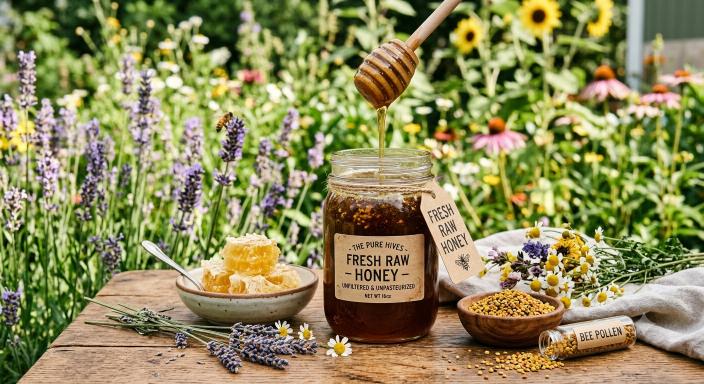
Raw Comb Honey
Raw Comb Honey

Raw Comb Honey

A unique and natural treat. Chew the honeycomb straight from the hive for the purest honey experience available.

Availability: Limited Stock

Price: $20

2lb Raw Honey
2lb Raw Honey

2lb Raw Honey

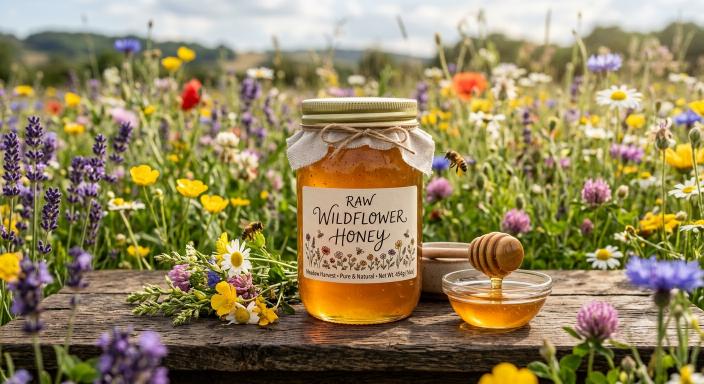
The perfect family size. Enjoy our delicious, locally sourced raw honey that supports local bees and helps with seasonal allergies.

Availability: In Stock

Price: $25

1lb Raw Honey
1lb Raw Honey

1lb Raw Honey

Sweet, golden, and straight from our Spring Hill hives. Perfect for your morning tea, toast, or straight from the spoon. 100% raw and unfiltered.

Availability: In Stock

Price: $15