russian

VHS Honeybees and the Harbo Test

Understanding Varroa Hygienic Suppression and Its Importance in Honeybee Breeding

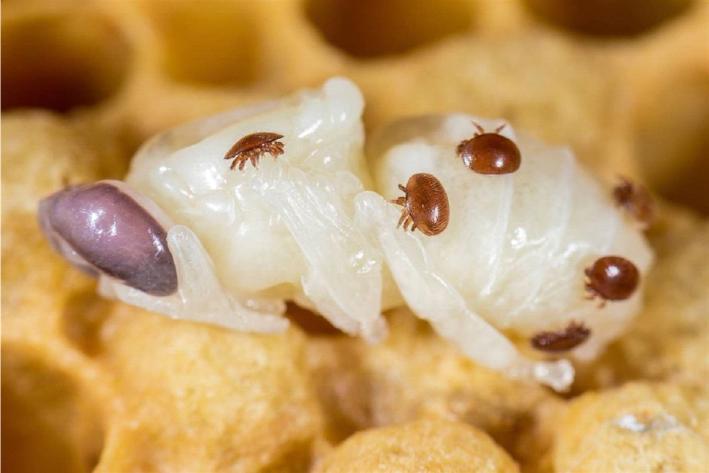
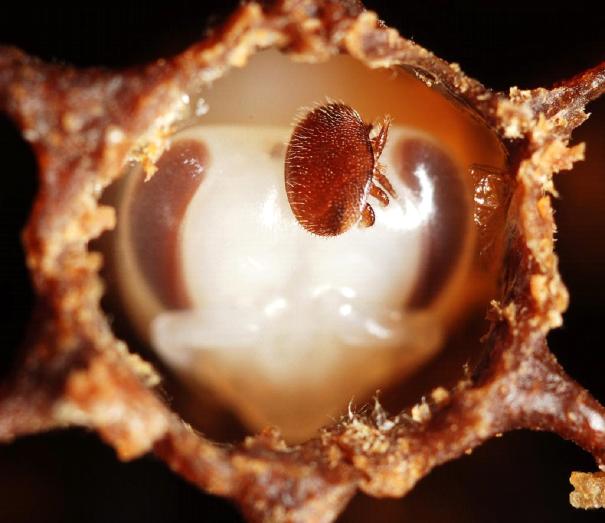
Honeybee colonies face many challenges, but one of the most serious is the parasitic mite Varroa destructor. These mites reproduce inside capped honeybee brood cells, feeding on developing bees and contributing to the spread of harmful viruses. Over time, heavy mite infestations can weaken a colony, reduce brood production, shorten adult bee lifespans, and ultimately cause colony failure. Two important concepts in honeybee selection and breeding are Varroa Sensitive Hygiene (VSH) and the Harbo test. Both are associated with efforts to identify and breed honeybees that can resist Varroa mites through their own natural behaviors rather than relying entirely on chemical treatments.
What Is VSH in Honeybees?

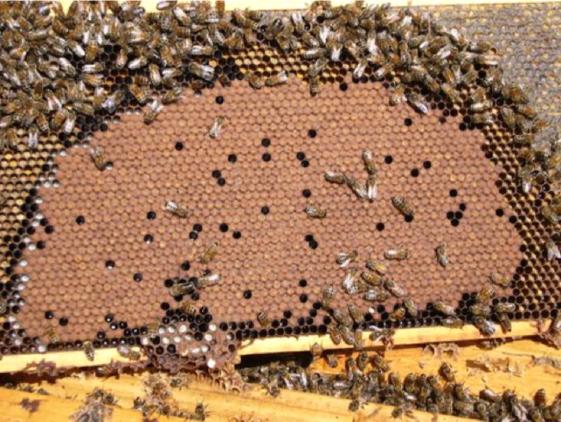
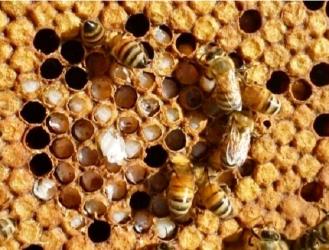
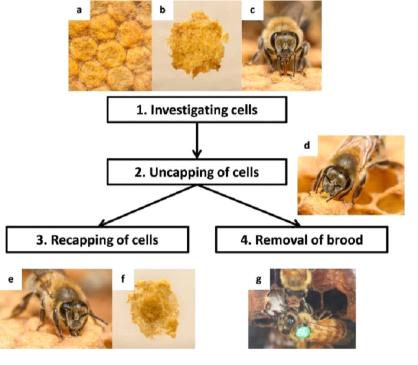
Varroa Sensitive Hygiene, commonly abbreviated as VSH, is a heritable behavioral trait that allows worker honeybees to detect and respond to brood cells containing reproducing Varroa mites. Workers inspect capped brood, identify cells that may contain infested pupae, and may uncap and remove the affected brood. This behavior interferes with the mites’ reproductive cycle and can reduce the number of viable offspring produced within the colony.


VSH is especially valuable because it targets the reproductive success of the mite. A colony with strong VSH activity may suppress mite populations even when mites enter the hive naturally. The trait can be incorporated into breeding programs by selecting queens and colonies whose workers demonstrate effective mite-sensitive hygienic behavior.


However, VSH is not simply the ability to clean out dead brood. General hygienic behavior can involve removing diseased, damaged, or dead larvae and pupae, while VSH specifically refers to hygienic responses associated with Varroa-infested brood, particularly cells containing reproductively active mites. This distinction matters when evaluating honeybee colonies for mite resistance.

What Is the Harbo Test?

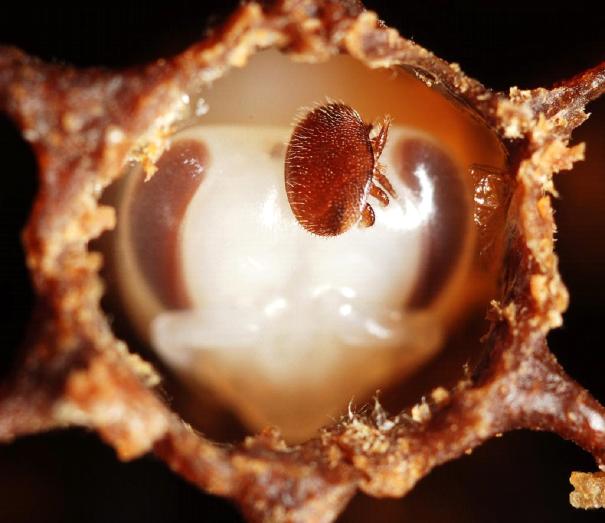
The Harbo test is commonly associated with the research of entomologist John R. Harbo and his colleague Jeffrey W. Harris at the USDA Agricultural Research Service. Their work investigated how honeybee genetics influence the reproduction of Varroa mites. The foundational method examines mite reproduction inside capped worker brood cells to determine whether a female mite successfully produces mature daughters before the developing bee emerges.

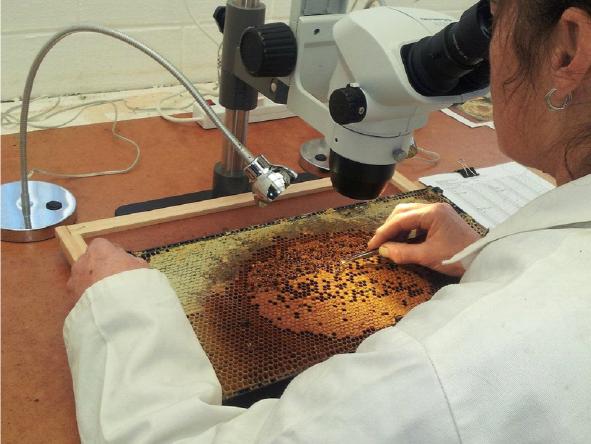
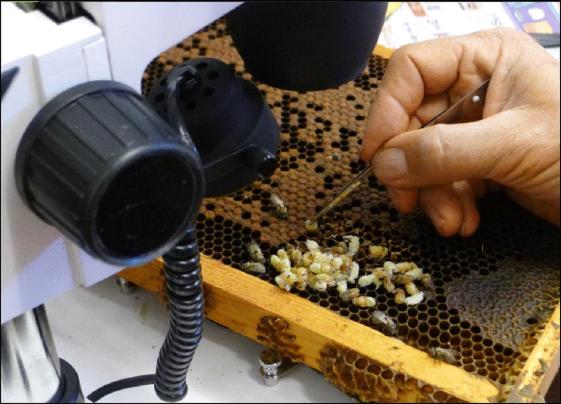
In this assessment, a beekeeper or researcher opens selected capped brood cells and carefully examines the developing pupae and the mite families inside them. The examiner records whether the original female mite has laid eggs and whether her offspring have developed to the appropriate stages of maturity. The central question is whether the mite has produced at least one mature daughter capable of contributing to the next generation.

A mite that fails to produce a mature daughter is classified as nonreproductive for the purposes of the assessment. However, nonreproduction alone does not prove that the colony possesses strong genetic resistance, because mite age, environmental conditions, temperature, and other factors can also influence reproductive success. The USDA’s original research evaluated multiple singly infested worker brood cells to estimate the proportion of mites that reproduced successfully.

How the test works

VSH Bee Frame
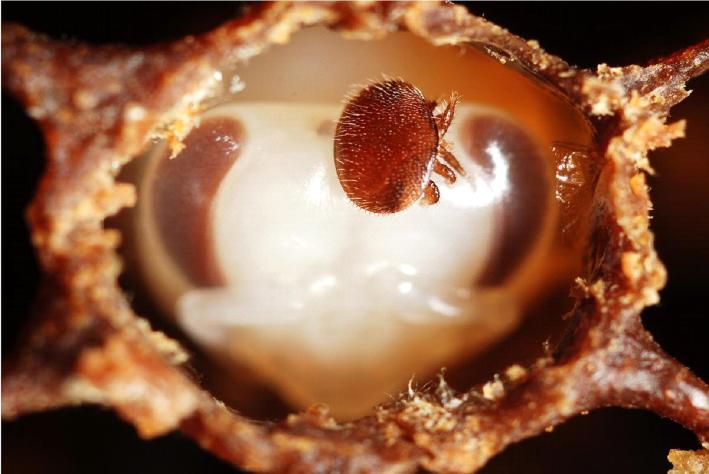
Varroa Mite Close Up
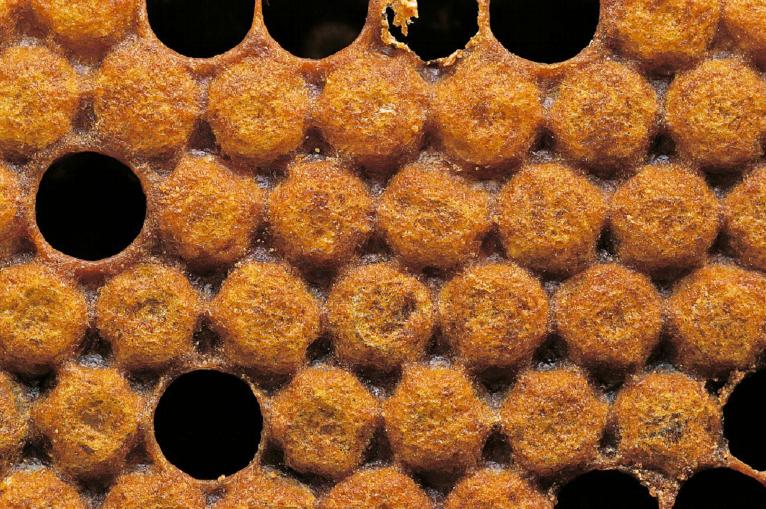
Honeybee Brood Cells

1. Select capped worker brood

Choose brood cells at an appropriate developmental stage so the mite’s reproductive cycle can be evaluated. The age of the pupa matters because mite offspring need sufficient time to mature before the bee emerges.

2. Open and examine the cells

Carefully remove the pupae and inspect each cell for the original female mite, eggs, immature offspring, and developing female mites.

3. Evaluate mite reproduction

Record whether the foundress mite has produced offspring and whether at least one daughter has reached maturity before the host bee’s expected emergence.

4. Calculate the reproductive results

Calculate the percentage of examined mites that reproduced successfully and the percentage that did not. Interpret these results alongside other colony measurements and evidence of hygienic behavior.

The exact sampling procedure depends on the protocol being used. Harbo and Harris’s historical research used a defined sample of singly infested worker brood cells, whereas modern breeders may use modified methods. It is therefore important to distinguish the original mite-reproduction research from other assessments of VSH behavior.

How VSH and the Harbo Test Work Together

VSH and the Harbo test address related but different aspects of honeybee resistance to Varroa mites.

Feature VSH assessment Harbo-style mite reproduction assessment
Main focus Worker bees’ hygienic response to infested brood Reproductive success of mites inside brood cells
What is observed Uncapping, recapping, and removal of infested brood Eggs, offspring development, and mature daughters
What it helps establish Evidence of mite-sensitive hygienic behavior Evidence of reduced mite reproductive success
Main limitation General hygiene alone does not establish VSH Nonreproduction may result from factors other than bee genetics

Research by Harbo, Harris, and colleagues helped clarify that the trait originally called Suppressed Mite Reproduction (SMR) was largely explained by the hygienic behavior of the adult bees. The name VSH subsequently became more appropriate because the bees remove mite-infested brood, disrupting the reproductive cycle of the parasite.
+1


This means that a low proportion of reproducing mites can be consistent with strong VSH, but it should not be interpreted in isolation. A comprehensive breeding assessment can combine mite-reproduction observations, direct evidence of hygienic activity, adult-bee infestation measurements, and colony performance.


Why These Traits Matter to Beekeepers

Selecting honeybee colonies for VSH and other forms of Varroa resistance can help build healthier, more sustainable apiaries. Colonies with effective mite-sensitive hygiene may slow the growth of mite populations, reduce the pressure on developing brood, and improve the prospects for maintaining strong worker populations.


Nevertheless, resistant bees are not necessarily mite-free bees. Resistance varies among colonies, and even promising stock should be monitored through regular mite sampling. Appropriate control measures should be used whenever monitoring indicates that they are needed.


The long-term objective is to combine inherited resistance with desirable traits such as gentleness, productive brood patterns, honey production, and local adaptation. By selecting queens from colonies that consistently demonstrate these characteristics, breeders can work toward bees that manage Varroa more effectively while maintaining useful colony performance.

Conclusion

VSH honeybees and the Harbo test are important parts of the effort to understand and improve natural resistance to Varroa mites. VSH describes a behavioral defense in which worker bees detect and remove mite-infested brood, while the Harbo-style assessment examines the reproductive success of mites inside capped brood cells. Used together and interpreted carefully, these approaches provide valuable information for honeybee selection and breeding. Their greatest value lies in supporting informed decisions about genetic resistance, colony health, and responsible integrated Varroa management.

VSH Honeybees

Raw Comb Honey
Raw Comb Honey

Raw Comb Honey

A unique and natural treat. Chew the honeycomb straight from the hive for the purest honey experience available.

Availability: Limited Stock

Price: $20

2lb Raw Honey
2lb Raw Honey

2lb Raw Honey

The perfect family size. Enjoy our delicious, locally sourced raw honey that supports local bees and helps with seasonal allergies.

Availability: In Stock

Price: $25

1lb Raw Honey
1lb Raw Honey

1lb Raw Honey

Sweet, golden, and straight from our Spring Hill hives. Perfect for your morning tea, toast, or straight from the spoon. 100% raw and unfiltered.

Availability: In Stock

Price: $15