russian

About VSH POL-LINE 2.2

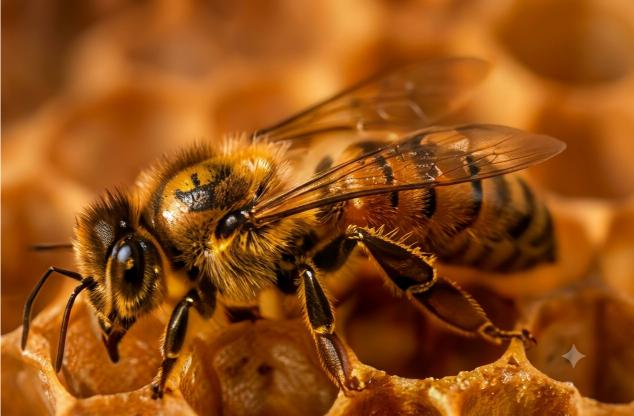
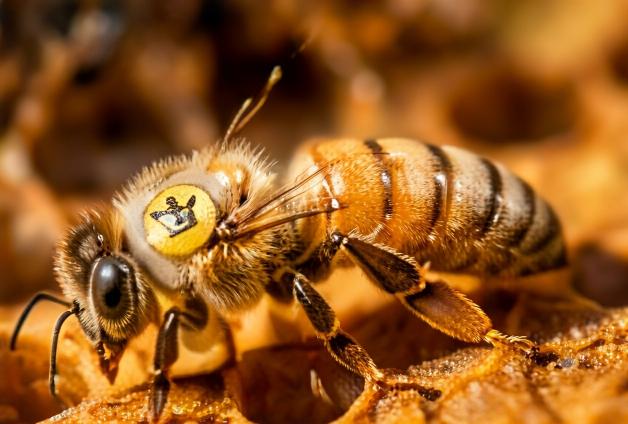
The VSH POL‑LINE 2.2 is a proven, mite‑resistant honeybee strain developed through selective breeding for Varroa Sensitive Hygiene (VSH) and hygienic behavior. These bees detect and remove mite‑infested brood, helping to reduce mite populations naturally and promoting healthier, stronger colonies.

Pol-line 2.2 is a selectively bred population of honey bees developed around the goal of improving a colony’s natural ability to withstand Varroa destructor, the parasitic mite responsible for many health problems in managed honeybee colonies. Rather than depending entirely on chemical treatments to control mites, breeding programs involving Pol-line bees emphasize useful biological defenses that allow honeybee colonies to detect and suppress Varroa infestations. Pol-line 2.2 can therefore be viewed as part of a broader effort to develop honey bees that are both productive and naturally better equipped to manage parasites.

heart

Mite Resistant

Naturally detects and removes mite‑infested brood (VSH behavior).

shield

Hygienic Behavior

Keeps colonies cleaner and healthier.

beekeeper

Strong Colony Growth

Known for excellent overwintering and productivity.

trusted

Gentle Temperament

Easy to work with, making them ideal for beekeepers of all levels.

Benefits of VSH POL-LINE 2.2

mite_resistent

Reduced Mite Pressure

Helps control Varroa mites naturally, reducing the need for chemical treatments.

adaptable1

Healthier Colonies

Strong, resilient bees that can thrive in a variety of environments.

healthier_calories

Better Productivity

Consistent honey production and strong colony performance throughout the season.

reduce_mite

Adaptable

Performs well in different climates and local conditions in Florida and beyond.

The Varroa Mite Challenge

The major concern associated with these bees is the Varroa mite. Varroa destructor is a small external parasite that lives on honey bees and reproduces primarily inside capped brood cells. A female mite enters a developing honeybee’s brood cell before it is sealed by worker bees. Once inside, the mite reproduces, and its offspring develop alongside the immature bee. Newly produced mites can later emerge with the adult bee and spread throughout the colony. High mite populations can weaken individual bees, interfere with normal colony development, and contribute to the spread or amplification of several honeybee viruses.

Another important consideration is that Varroa mites do more than physically parasitize honey bees. They are also associated with the transmission of viruses that can seriously affect individual bees and entire colonies. A colony with a large mite population may therefore experience multiple forms of stress at the same time. Reducing mite reproduction can potentially reduce this overall disease pressure and improve the colony’s chances of maintaining a healthy population.

What is Varroa-Sensitive Hygiene (VSH)?

One of the most valuable characteristics associated with Pol-line 2.2 bees is Varroa-sensitive hygiene, commonly abbreviated as VSH. This is a natural defensive behavior performed by worker bees. Workers inspect capped brood and can recognize cells containing mites that are reproducing successfully. They may then uncap and remove the affected brood. Removing the infested brood can interrupt the mite’s reproductive cycle and prevent some offspring from developing into mature mites. As a result, the colony can slow the growth of its Varroa population without relying exclusively on an external treatment.

This behavior is especially important because Varroa mites reproduce in a protected environment. Once a brood cell is capped, the mite and developing bee are largely hidden from normal colony activity. VSH behavior allows worker bees to overcome this protection by detecting abnormalities associated with mite-infested brood. The effectiveness of this defense depends on the genetic characteristics of the colony, the level of mite infestation, environmental conditions, and other factors affecting colony health.

Biological Resistance Through Colony Behavior

Pol-line 2.2 is important from a breeding perspective because the objective is not simply to create bees that tolerate mites. Breeders seek to maintain a combination of mite resistance and desirable beekeeping characteristics. A useful honeybee colony must be able to develop an adequate population, collect resources, produce honey, survive environmental stresses, and remain manageable for beekeepers. Selecting for one characteristic alone can create undesirable trade-offs, so breeding programs attempt to combine several valuable traits within the same population.


The relationship between Pol-line 2.2 bees and Varroa mites is therefore an example of biological resistance through colony behavior. The bees are not completely immune to Varroa, and the presence of resistant genetics does not mean that mites can never become a problem. Instead, the bees have behavioral characteristics that can reduce the reproductive success and population growth of the parasite. For this reason, beekeepers using Varroa-resistant bees should still monitor mite levels and evaluate colony health.

The Future of Sustainable Beekeeping

Pol-line 2.2 represents an important concept in modern apiculture: using selective breeding to strengthen defenses that honeybees already possess naturally. Instead of treating the honeybee and the parasite as completely separate problems, breeders can select colonies in which worker behavior helps control the parasite from inside the hive. This approach can become one component of integrated Varroa management, alongside monitoring, nutrition, colony management, and appropriate mite-control methods when necessary.


In conclusion, Pol-line 2.2 honey bees are best understood as a selectively bred, Varroa-resistant population emphasizing natural colony defenses such as hygienic removal of mite-infested brood. Their relationship with Varroa destructor illustrates the potential of genetic selection to improve honeybee health. The bees do not eliminate Varroa completely, but their behavior can interfere with mite reproduction and help prevent mite populations from increasing as rapidly. The continued development of such bees is significant because it offers beekeepers another tool for managing one of the most serious threats to honeybee colonies while preserving traits important for productive and sustainable beekeeping.

russian-1

Ideal For

  • Beekeepers looking for a naturally mite‑resistant strain
  • Those who want strong, productive, and easy‑to‑manage colonies
  • Anyone interested in sustainable and healthier beekeeping practices

VSH POL-LINE 2.2 Queens

Raw Comb Honey
Raw Comb Honey

Raw Comb Honey

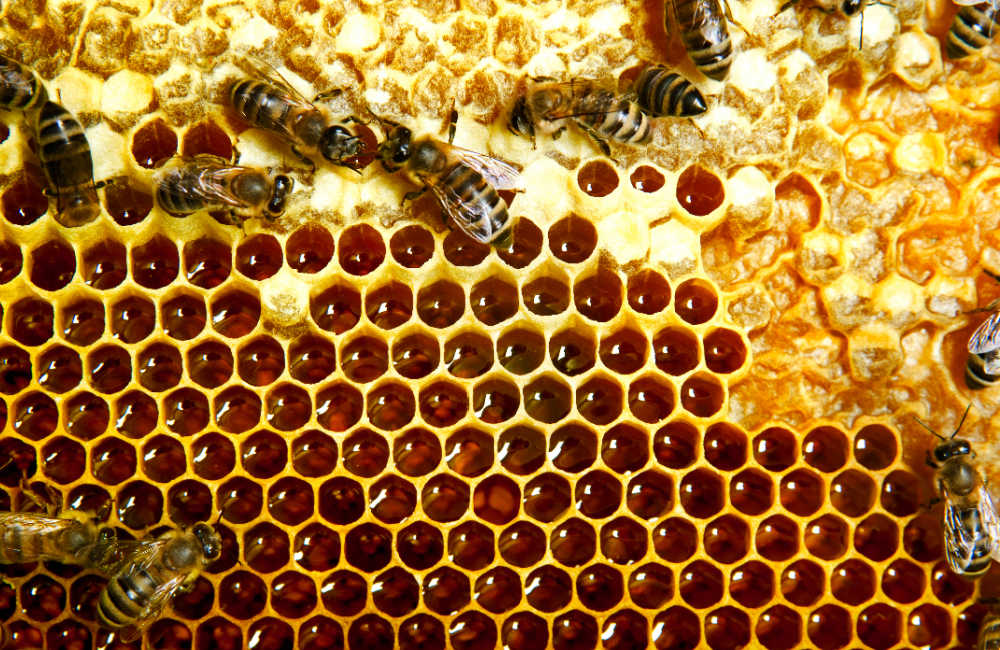
A unique and natural treat. Chew the honeycomb straight from the hive for the purest honey experience available.

Availability: Limited Stock

Price: $20

2lb Raw Honey
2lb Raw Honey

2lb Raw Honey

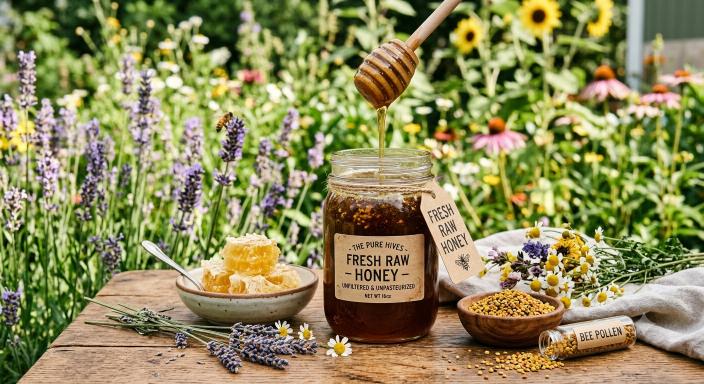
The perfect family size. Enjoy our delicious, locally sourced raw honey that supports local bees and helps with seasonal allergies.

Availability: In Stock

Price: $25

1lb Raw Honey
1lb Raw Honey

1lb Raw Honey

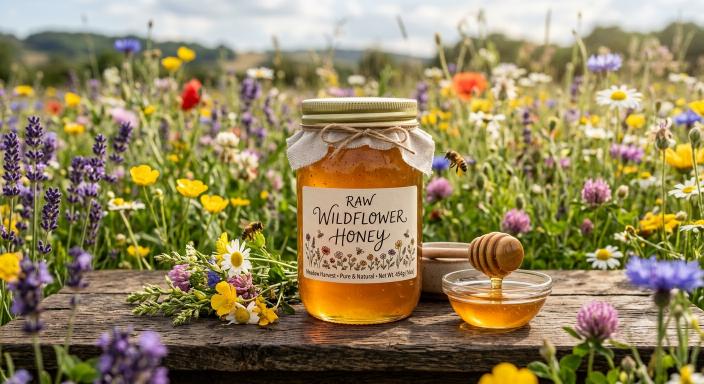
Sweet, golden, and straight from our Spring Hill hives. Perfect for your morning tea, toast, or straight from the spoon. 100% raw and unfiltered.

Availability: In Stock

Price: $15